Why I Drink Kombucha Every Day: Benefits, Risks and My Homemade Recipe
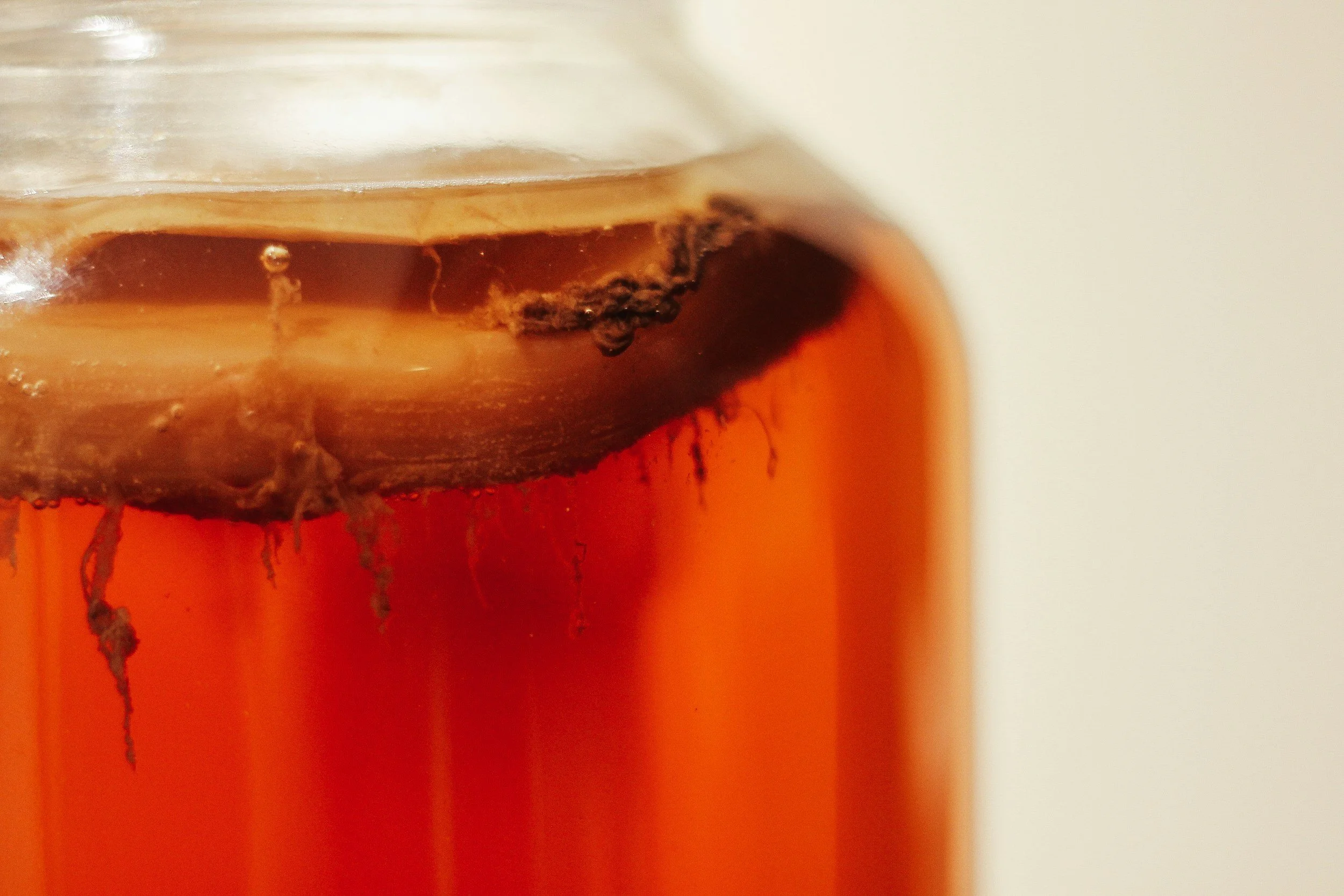
If you haven't noticed, kombucha has exploded in popularity over the past few years. What was once a niche fermented tea enjoyed by health enthusiasts can now be found in cafés, restaurants, gyms, and supermarket shelves around the world.
The downside? It isn't cheap. A single bottle or can of commercially produced kombucha can easily cost $5 or more, while artisan or small-batch versions often command an even higher price.
Yet demand continues to grow—and for good reason. Kombucha offers a refreshing, lightly sparkling alternative to soft drinks, often with less sugar and a unique tangy flavour. Many people also enjoy it for its potential health benefits, making it a drink that feels both enjoyable and nourishing.
Personally, I enjoy a small serving of kombucha after dinner each day—about one lungo cup (approximately 110ml). It's become a simple ritual that I look forward to.

Potential Health Benefits of Kombucha
1. Supports Gut Health
Kombucha is produced through a fermentation process involving yeast and bacteria. As a result, it contains a variety of beneficial microorganisms, including species from the Lactobacillus and Acetobacter families.
These probiotics may help support a healthy gut microbiome, which plays an important role in digestion, immune function, and overall health. Some people report improvements in bloating, regularity, and digestive comfort when they regularly consume fermented foods and beverages.
While more human studies are needed, incorporating fermented foods such as kombucha may be a simple way to add more beneficial bacteria to your diet.
2. Rich in Antioxidants
Because kombucha is traditionally brewed from black or green tea, it naturally contains antioxidants such as catechins and flavonoids.
Antioxidants help neutralise free radicals in the body, reducing oxidative stress that may contribute to inflammation and cellular damage over time. Supporting your body's antioxidant defences may also play a role in maintaining long-term health and immune function.
3. Natural Antibacterial Properties
Kombucha contains organic acids, including acetic acid—the same compound found in vinegar.
Laboratory studies have shown that these acids may inhibit the growth of certain harmful bacteria, including E. coli and Salmonella. While kombucha should not be viewed as a treatment or prevention strategy for food poisoning, these findings suggest that the fermentation process may contribute to some natural antimicrobial properties.
4. A Lower-Sugar Alternative to Soft Drinks
One of kombucha's biggest advantages is that it can serve as a healthier alternative to traditional sugary beverages.
During fermentation, yeast consumes some of the sugar used in the brewing process, converting it into carbon dioxide and trace amounts of alcohol. As a result, most kombuchas contain significantly less sugar than conventional soft drinks.
Many commercially available kombuchas contain between 2–8g of sugar per serving, compared to approximately 35–40g found in a typical can of soda. For individuals looking to reduce their sugar intake while still enjoying a flavourful beverage, kombucha can be a useful option.

Things to Keep in Mind
Like any food or beverage, kombucha is best enjoyed in moderation.
Digestive Discomfort
If you're new to probiotics or fermented foods, consuming large amounts of kombucha may initially cause bloating, gas, or mild digestive discomfort. Starting with a small serving and gradually increasing your intake can help your body adjust.
Trace Amounts of Alcohol
Kombucha naturally contains small amounts of alcohol as a by-product of fermentation. Most commercially sold kombuchas contain less than 0.5% alcohol, but home-brewed versions may vary.
Individuals who are pregnant, breastfeeding, or have medical reasons to avoid alcohol should consult their healthcare provider before consuming kombucha.
Added Sugars
Not all kombuchas are created equal. Some commercial brands add extra sugar, fruit concentrates, or sweeteners to improve flavour.
Reading the nutrition label can help you choose a product that aligns with your health goals, particularly if you are monitoring blood glucose levels or reducing sugar intake.
Contamination Risks in Home Brewing
Home brewing can be a rewarding and cost-effective way to enjoy kombucha, but proper hygiene is essential.
Always use clean, sanitised equipment and inspect your brew regularly. If you notice signs of mould—such as black, green, blue, or fuzzy growth—discard the batch immediately. When in doubt, it's always safer to throw it out.
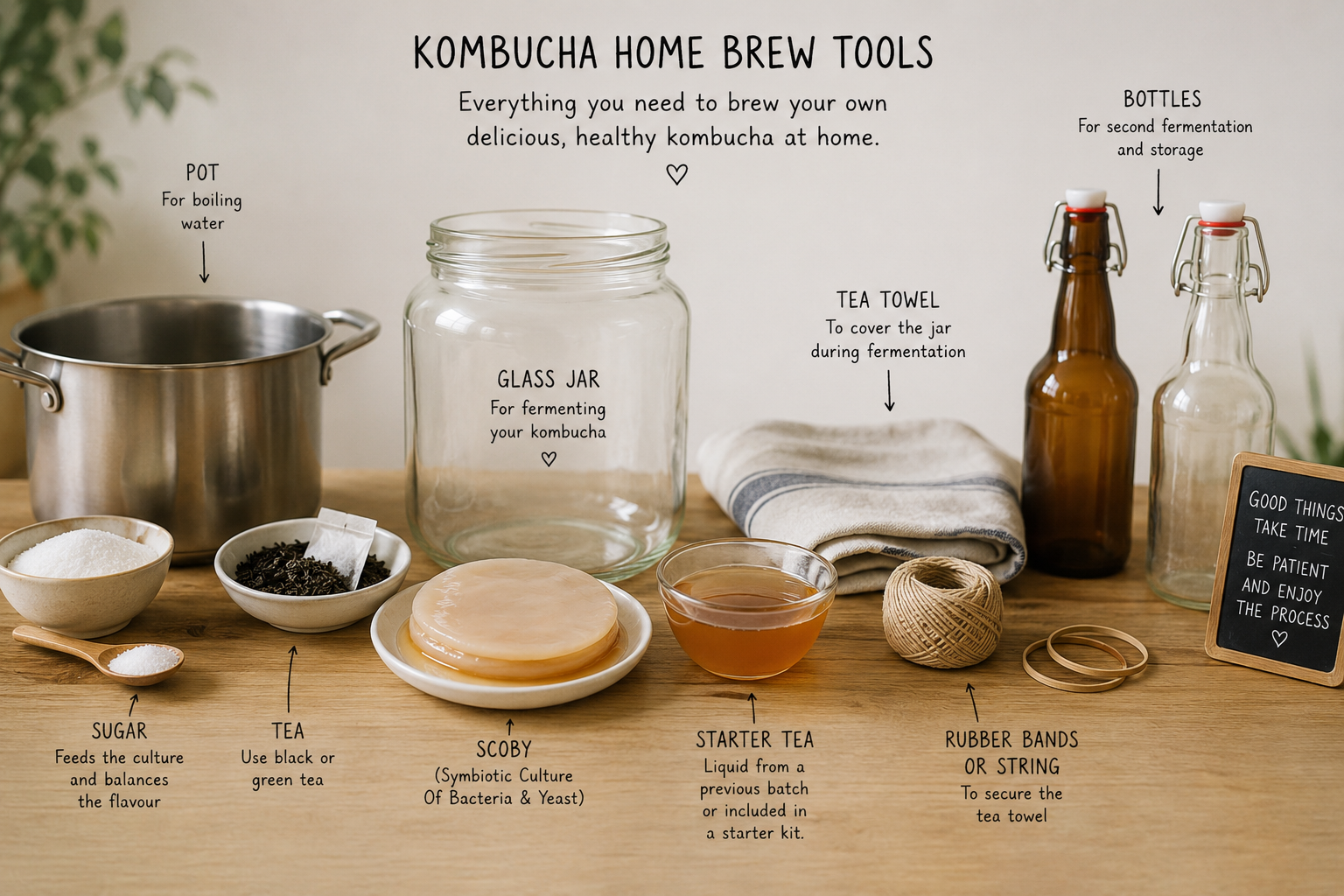
Ready to Brew Your Own?
One of the biggest benefits of making kombucha at home is that it costs only a fraction of store-bought versions, while giving you complete control over flavour and sweetness.
If you'd like to try brewing your own, click here to purchase all the tools needed to start, below is Uncle J's Kombucha Recipe—the method I use to make my weekly batches at home.